Transaction Verification Pathways Enabling Jackpot Access in Mobile Casino Ecosystems
Mara Berger · Oct 22, 2026
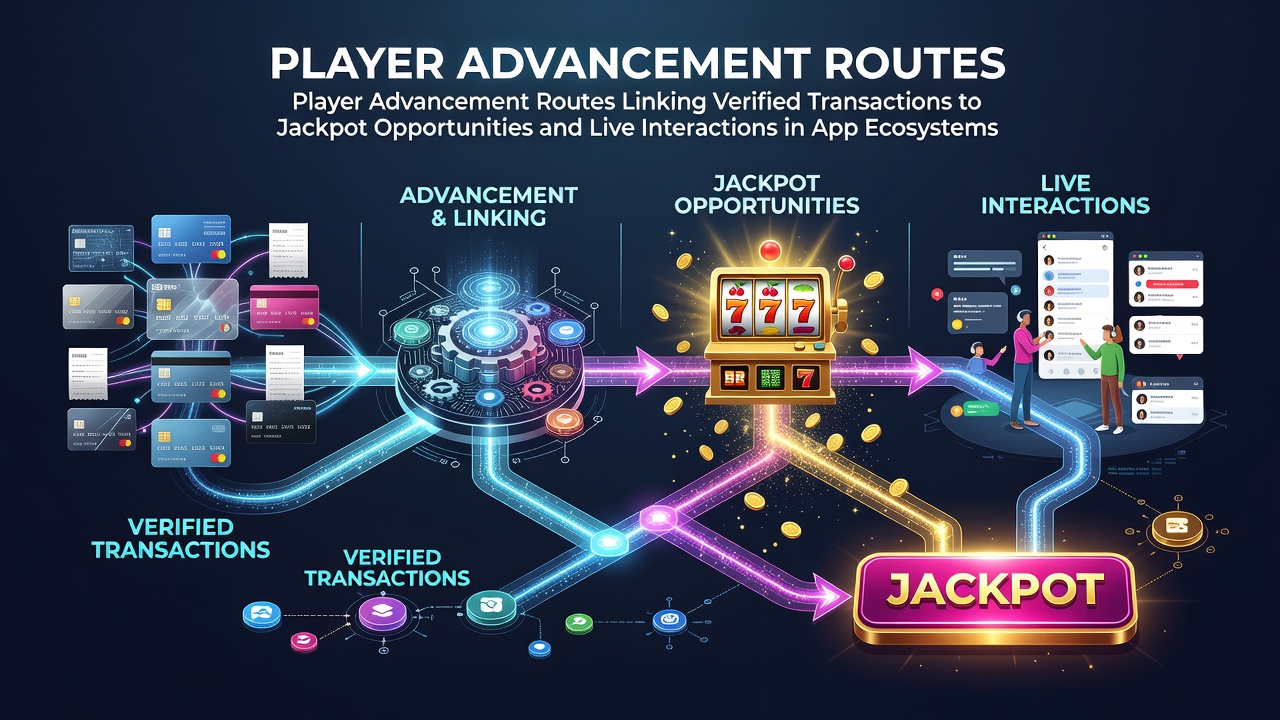
Transaction Verification Pathways Enabling Jackpot Access in Mobile Casino Ecosystems
Player advancement routes in app ecosystems connect verified transactions directly to jackpot opportunities and live interactions through structured progression systems that track deposits, bets, and engagement metrics. Data from industry monitoring shows these routes operate via tiered loyalty frameworks where each confirmed payment unlocks higher reward levels, including access to progressive jackpots and real-time dealer sessions. Observers note that mobile platforms integrate payment gateways with account verification protocols, creating seamless links between financial activity and gaming features without requiring separate logins for each element.
In October 2026, platform operators reported increased volumes of verified transactions coinciding with expanded live dealer availability across multiple regions. Studies indicate these systems rely on encrypted data exchanges that confirm transaction legitimacy before crediting player accounts with advancement points or direct jackpot entries. Researchers have documented how such verification steps reduce processing delays while maintaining compliance standards set by regional authorities.
Core Mechanics of Verified Transaction Integration
Transaction verification forms the foundation for player routes by authenticating deposits through multiple security layers before they contribute to jackpot pools or live session eligibility. Platforms employ real-time checks that cross-reference payment details against user profiles, then allocate corresponding advancement credits that accumulate toward elite status. Those who've examined these processes find that successful verifications trigger automatic updates to player dashboards, displaying progress bars that reflect proximity to jackpot thresholds and live interaction unlocks.
Application ecosystems further tie these verified actions to dynamic reward structures where consistent activity generates bonus multipliers applicable to both slot jackpots and table game entries. Evidence suggests integration with third-party payment processors allows for instant confirmation across banking methods, including digital wallets and card networks. This setup supports uninterrupted progression even during peak usage periods when live dealer tables experience high demand.
Linking Payments to Jackpot and Live Features
Once transactions clear verification, they feed directly into jackpot opportunity pools that scale with aggregate player contributions across the app network. Advancement algorithms prioritize verified activity by assigning weighted points that determine entry into exclusive live interaction rooms or higher-stakes jackpot variants. People familiar with these systems observe that live dealer platforms often synchronize jackpot triggers with ongoing table sessions, allowing participants to compete for shared prizes while engaging in real-time play.
Additional layers include milestone bonuses that activate after a set number of confirmed transactions, granting free spins or direct credits toward live game buy-ins. Data indicates these mechanisms operate on backend servers that log every verified step, creating audit trails useful for regulatory reviews. Platforms in various markets have adopted similar models, with variations based on local licensing requirements that dictate minimum verification standards.

Regional Implementation Patterns and Data Trends
App ecosystems across North America and Asia-Pacific demonstrate distinct yet overlapping approaches to linking verified transactions with jackpot and live elements. Reports from the Nevada Gaming Control Board detail how mobile operators track transaction volumes that correlate with increased jackpot payouts during high-engagement months. Meanwhile, research published by Australian academic institutions highlights similar patterns where verified payment histories determine eligibility for premium live dealer tables.
Those monitoring global trends note that October 2026 saw notable upticks in cross-border app usage, with verified transactions serving as the primary gatekeeper for international jackpot pools. These pools aggregate contributions from multiple jurisdictions while respecting individual regulatory boundaries through localized verification protocols. Industry organizations such as the European Casino Association have compiled statistics showing how such integrated routes improve player retention metrics without compromising security standards.
Security Protocols and Advancement Safeguards
Security remains central to these advancement routes because verified transactions must withstand scrutiny from both platform operators and external auditors. Multi-factor authentication combined with device fingerprinting ensures that each payment links accurately to the correct player profile before advancing jackpot eligibility or live access. Observers point out that these safeguards also extend to live interaction features, where session logs record participation tied back to original transaction records.
Platforms implement rate-limiting measures on advancement credits to prevent rapid escalation without sustained verified activity. Evidence from platform audits reveals that these controls maintain balanced jackpot distributions while allowing genuine high-volume users to reach elite tiers faster. Live dealer integrations benefit similarly, as verified status grants priority seating in popular tables during peak hours.
Conclusion
Player advancement routes that connect verified transactions to jackpot opportunities and live interactions continue to evolve within app ecosystems as operators refine verification speed and reward allocation methods. Data collected through October 2026 underscores the role of these pathways in sustaining engagement across diverse markets. Continued monitoring by regulatory bodies and research groups will likely shape future refinements to these integrated systems.