Biometric Systems Reshape Multiplier Activation in Mobile Loyalty Programs
Kai Brooks · Aug 27, 2026
Biometric Systems Reshape Multiplier Activation in Mobile Loyalty Programs
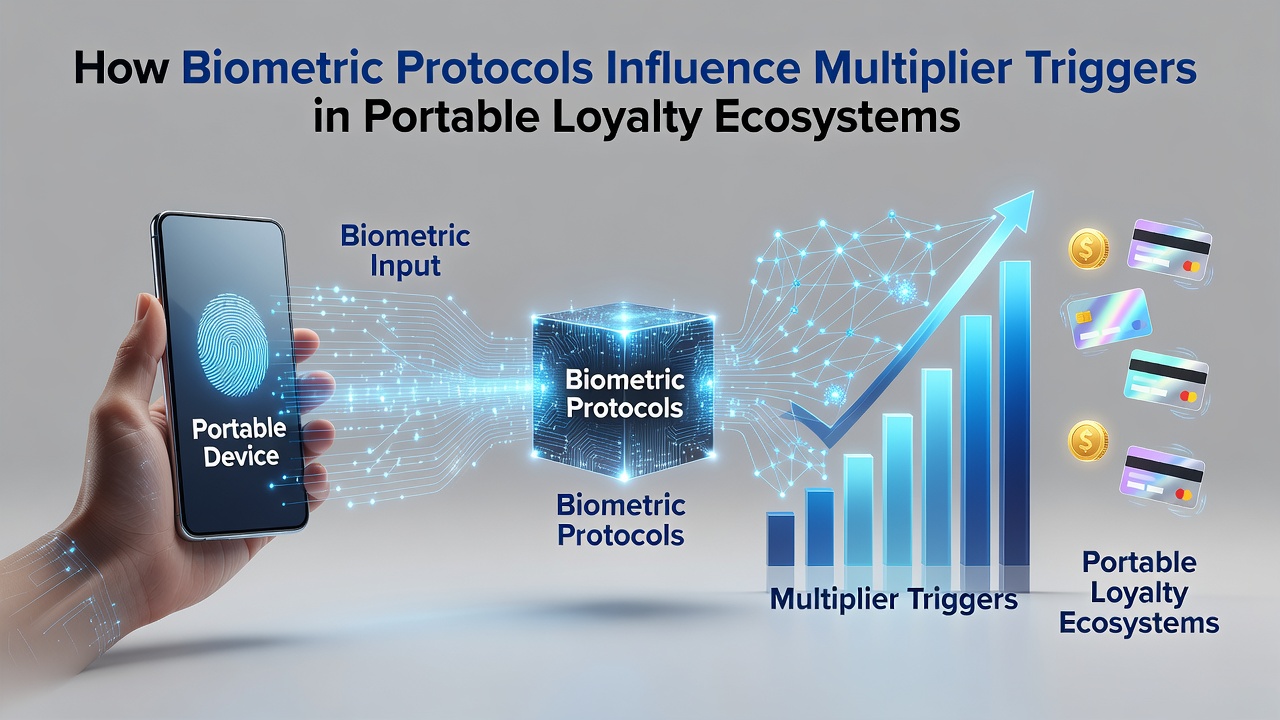
Biometric protocols now play a central role in how portable loyalty ecosystems verify user identity and activate reward multipliers, and systems across the sector have adopted fingerprint, facial recognition, and voice patterns to confirm eligibility before any multiplier engages. Data from industry reports show that these methods reduce unauthorized access incidents while allowing seamless progression through tiered reward structures on mobile devices.
Core Mechanisms Behind Biometric Verification
Portable loyalty platforms integrate biometric checks at key points in the user journey, which means a player completes a scan before multipliers apply to accumulated points or bet volumes, and this process connects directly to backend algorithms that calculate eligibility in real time. Researchers at various technology institutes have documented how these protocols link device sensors with encrypted databases, creating a chain where successful authentication unlocks variable multiplier rates based on account history and current session data.
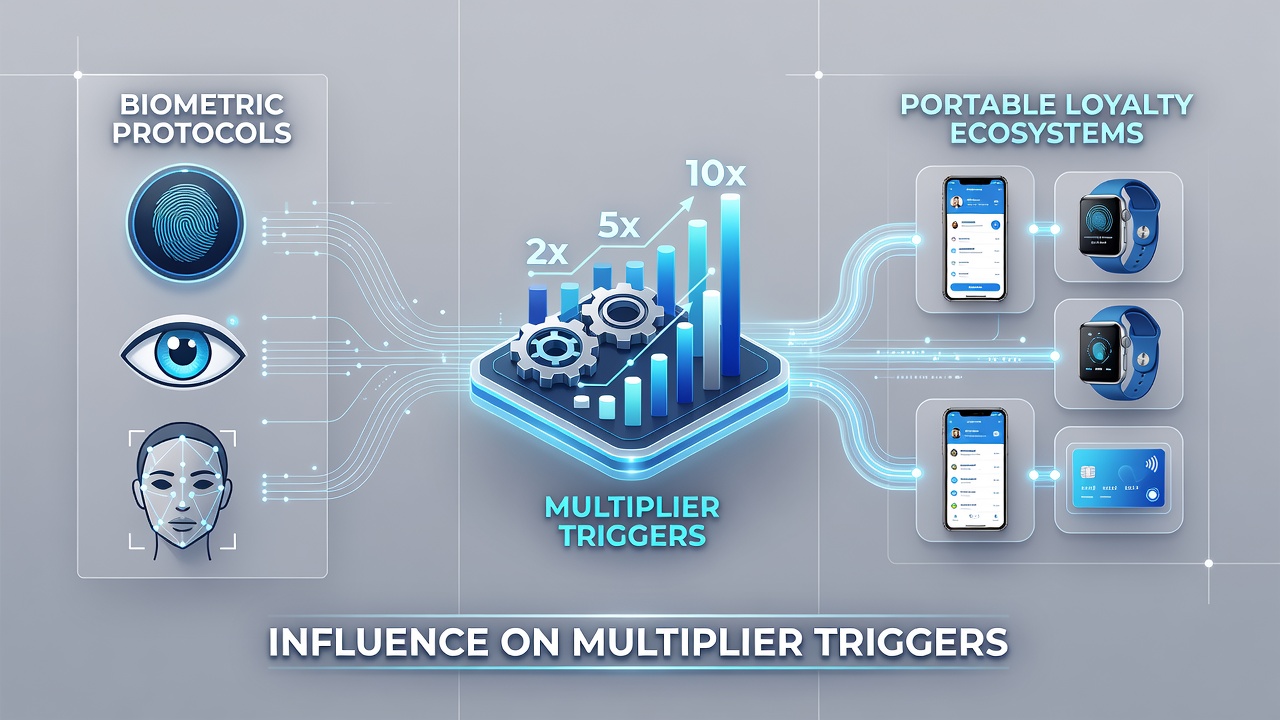
Systems often combine multiple biometric factors for higher security thresholds, while single-factor checks handle routine multiplier triggers during everyday play sessions, and this layered approach has become standard in ecosystems that track loyalty across different operators and regions.
Impact on Multiplier Trigger Timing and Accuracy
Biometric confirmation alters the timing of multiplier activation because the scan must complete before the system applies any boost to rewards, whereas older token-based methods allowed instant calculations once a threshold was reached. Studies from academic sources indicate that processing delays average under two seconds on modern devices, yet these intervals still influence how users perceive reward flow during extended mobile sessions.
One case examined by analysts at a North American research center revealed that loyalty programs using facial recognition saw a measurable uptick in successful multiplier claims during peak hours in August 2026, while programs relying on manual PIN entry recorded more abandoned triggers at the same time. The difference stems from reduced friction once users grow accustomed to the scan process, allowing continuous play without re-entering credentials.
Security Standards and Regulatory Alignment
Regulatory bodies in multiple jurisdictions require biometric data handling to meet strict encryption and storage rules before operators can deploy multiplier features in their apps, and compliance documentation from the Canadian Gaming Regulators Association outlines specific audit trails that must accompany every authentication event. These requirements ensure that multiplier triggers remain tied only to verified accounts, reducing risks associated with account sharing or credential theft.
Industry groups such as the National Institute of Standards and Technology have published frameworks that operators reference when calibrating sensitivity levels for biometric sensors, which directly affects how quickly and reliably a multiplier engages after a user meets loyalty criteria. Data shows consistent application of these standards correlates with fewer disputed reward calculations across portable platforms.
Cross-Platform Data Flow and User Progression
Loyalty ecosystems that span multiple mobile applications rely on biometric tokens to carry verified status between different environments, and this capability allows multipliers earned in one venue to activate in another without repeated full authentication cycles. Observers note that seamless handoffs depend on standardized data packets that preserve both identity confirmation and historical multiplier eligibility.
Those who manage large-scale deployments report that integration with device-level secure enclaves has lowered the incidence of false negatives during multiplier checks, while maintaining high barriers against spoofing attempts. August 2026 figures from several regional operators indicate stable growth in active loyalty accounts that utilize these biometric pathways for ongoing reward calculations.
Future Developments in Protocol Integration
Developments in sensor technology and machine learning continue to refine how biometric protocols interact with multiplier logic, and testing programs at various institutions explore adaptive thresholds that adjust based on usage patterns and device conditions. Such refinements aim to keep trigger processes both secure and responsive across diverse portable hardware.
Evidence from ongoing trials suggests that incorporating additional context, such as location or session duration, alongside core biometric data can further tailor multiplier application without introducing new points of failure. Operators track these metrics closely to maintain alignment with evolving technical and compliance expectations.
Conclusion
Biometric protocols have become embedded in the operational fabric of portable loyalty ecosystems, shaping when and how multiplier triggers execute through verified identity checks and secure data pathways. Information compiled from regulatory documents, academic reviews, and operator reports demonstrates consistent patterns of improved accuracy and reduced unauthorized activity as these systems mature. Continued refinement of sensor integration and cross-platform compatibility will likely sustain these trends in the months ahead.